
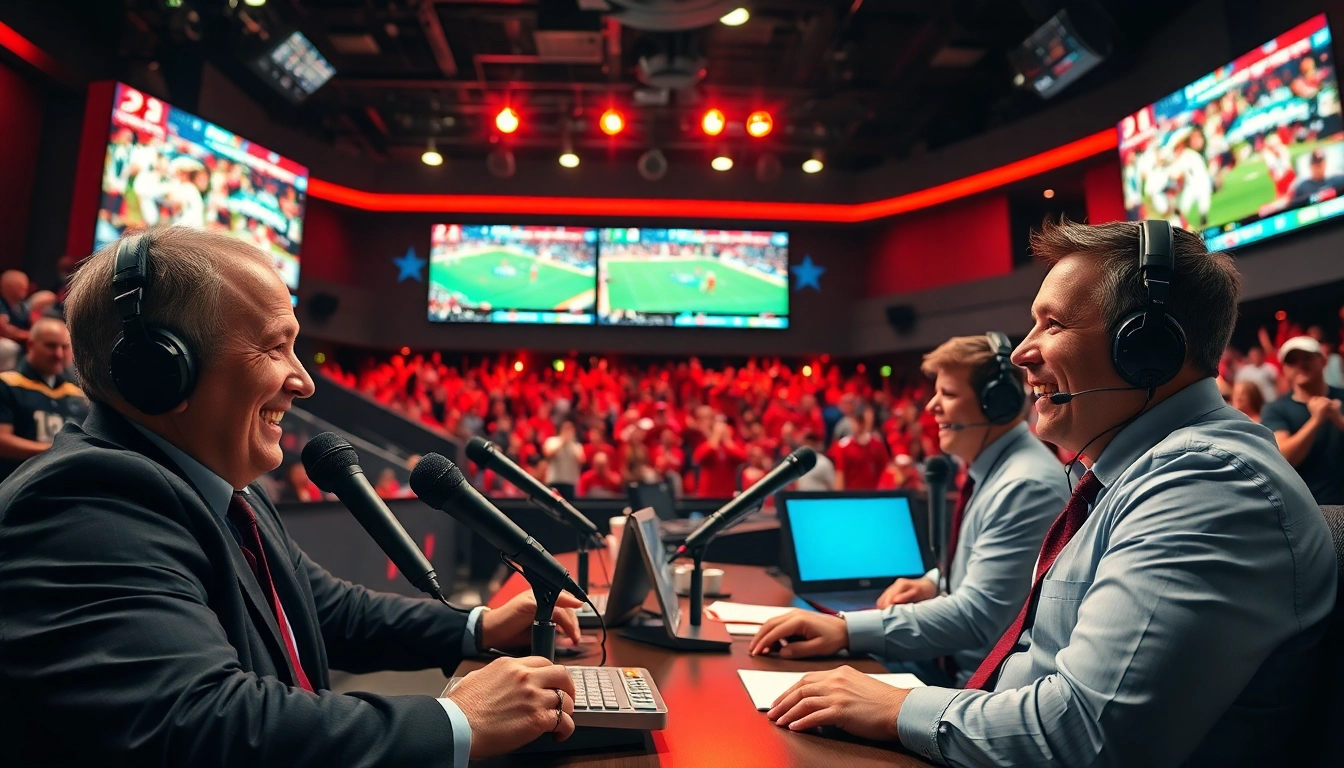
Introduction to Sports Broadcasting
Sports Broadcasting is a multifaceted field encompassing the live transmission of athletic events over various media platforms. It’s an integral part of the sports industry, facilitating a connection between fans and their favorite teams and players. With the rise of digital media, Sports Broadcasting has evolved significantly, shifting from traditional television to include online streaming services, mobile apps, and social media platforms. This article delves deeply into the multiple facets of sports broadcasting, exploring its definition, key roles, technological evolution, types, challenges, best practices, and future trends.
Definition and Importance of Sports Broadcasting
At its core, Sports Broadcasting involves the communication of live or recorded sporting events to an audience. The importance of this field lies not only in entertainment but also in the economic impact it generates through advertising, sponsorships, and partnerships. Broadcasters act as the bridge between the game and the viewer, delivering play-by-play commentary, interviews, and analysis that enhance the viewing experience. The engagement fostered by Sports Broadcasting can lead to heightened fan loyalty, increased attendance at events, and significant revenue streams for teams and leagues alike.
Key Roles in Sports Broadcasting
The realm of Sports Broadcasting is supported by various key roles, each critical for successful coverage. These include:
- Sports Commentators: They provide the live audiovisual narrative during events, contextualizing the action for viewers.
- Producers: Responsible for crafting the broadcast narrative, they ensure that the right camera angles and shots are used to enhance storytelling.
- Cameramen and Technical Crew: These individuals handle the technology behind the scenes, ensuring all equipment operates smoothly during live broadcasts.
- Analysts: They examine plays and strategies post-event, offering expert insights to deepen fans’ understanding of the game.
Evolution of Sports Broadcasting Technologies
The evolution of technology has drastically altered the landscape of Sports Broadcasting. Initially, broadcasts were limited to radio waves and black-and-white television. However, with advancements such as color television, satellite broadcasting, and high-definition formats, viewers now enjoy unprecedented access to live sports. The introduction of streaming services has further transformed accessibility, allowing fans to watch anywhere and anytime on their devices. The integration of augmented reality (AR) and virtual reality (VR) is also on the rise, presenting exciting new possibilities for immersive viewing experiences.
Types of Sports Broadcasting
Live Sports Broadcasting Explained
Live Sports Broadcasting refers to the real-time transmission of sports events as they happen. This form of broadcasting is particularly favored for its immediacy and excitement. It often includes pre-game shows, live commentary, halftime discussions, and post-game analysis. The thrill of live Sports Broadcasting captures the dynamic atmosphere of events, allowing fans to feel as if they are part of the action. Various platforms, including television networks and online streaming services, provide diverse live coverage options, often tailored to specific sports and audiences.
Recorded Sports Content: Pros and Cons
Recorded Sports Content includes highlights, replays, and older games that have been pre-recorded for later enjoyment. One of the main advantages of this type of broadcasting is the flexibility it offers viewers who may have missed live events. Fans can watch highlights or full games on demand at a time that suits them. However, the drawback lies in the potential loss of excitement that live broadcasts wield. Watching a recorded game lacks the immediate suspense and thrill that unfolds in real-time. Moreover, the recent trend of spoiler culture in the age of social media can diminish the enjoyment of reliving past events.
Streaming Sports Broadcasting: Trends and Popularity
The shift towards streaming services signifies a revolutionary change in how sports content is consumed. Viewers are increasingly favoring platforms that provide flexible options, such as on-demand replays and multi-platform access. Streaming allows for unique features such as targeted advertisements, personalized content, and real-time statistics. Major sports networks are beginning to invest heavily in their own streaming services and partnerships, recognizing the demand for convenient access to live and recorded content. Consequently, the sources of sports viewership are diversifying, leading to a more competitive market.
Challenges in Sports Broadcasting
Technical Challenges in Live Coverage
One of the predominant challenges in Sports Broadcasting is ensuring uninterrupted technical quality during live coverage. Issues such as signal loss, latency, and audio problems can adversely affect viewer engagement. Additionally, the reliance on multiple cameras and streaming formats necessitates complex coordination and high-quality production standards. Broadcasters must employ extensive testing and backup systems to mitigate these risks, as even minor disruptions can lead to audience frustration and drop-offs.
Legal and Regulatory Considerations
Sports Broadcasting is subject to numerous legal and regulatory challenges. Licensing agreements, broadcasting rights, and copyright ownership play crucial roles in managing how content is shared and monetized. Additionally, regulations regarding advertising, gambling, and data privacy can impact broadcasters’ operations. Understanding and navigating these complexities is essential for sports networks to avoid legal pitfalls while optimizing profitability.
Maintaining Viewer Engagement
In an era of information overload, keeping viewers engaged is vital for the success of Sports Broadcasting. With endless entertainment options available, broadcasters must focus on creating captivating content that resonates with their target audience. This could involve integrating interactive elements such as real-time polls, viewer chats, and behind-the-scenes content that deepens the connection with fans. Data analytics can play a pivotal role here, helping broadcasters tailor content according to audience preferences.
Best Practices for Effective Sports Broadcasting
Utilizing the Latest Technology
Incorporating cutting-edge technology into Sports Broadcasting enhances the overall viewer experience. Utilizing 4K cameras, drones for aerial views, and augmented reality graphics can provide innovative perspectives that captivate audiences. Additionally, integrating social media updates and live feeds allows for real-time interaction, making broadcasts more dynamic and engaging. Broadcasters must stay informed on the latest tech trends to effectively reach modern viewers.
Building a Strong Broadcast Team
Assembling a strong broadcast team is critical to delivering compelling sports coverage. Selecting individuals with on-screen charisma and deep knowledge of the sport who can engage viewers while providing insightful commentary will make broadcasts more appealing. Collaboration among commentators, analysts, and the technical crew fosters a cohesive approach that enhances storytelling. Continuous training and development within the team ensure everyone is up to date with the latest trends and techniques in sports coverage.
Enhancing Viewer Interaction and Feedback
Actively seeking and incorporating viewer feedback can greatly improve the quality of Sports Broadcasting. Broadcasters can adopt strategies to encourage audience interaction through platforms such as live polls and hashtag discussions. Additionally, responding to viewer inquiries or comments during broadcasts helps foster a loyal fan base. This two-way channel allows broadcasters to adjust content in real-time and create more personalized viewing experiences.
Future of Sports Broadcasting
Predictions for Technology Improvements
The future of Sports Broadcasting is likely to see continued advancements in broadcasting technology. Innovations such as enhanced virtual reality experiences, 360-degree live streaming, and predictive analytics will redefine how fans engage with sports. Upcoming generations of broadcasting technology will optimize viewing experiences, offering more personalized and immersive interactions. Furthermore, integrating AI tools for analytics promises to enhance decision-making in content delivery and audience engagement.
Changing Viewer Habits and Preferences
Today’s viewers are changing rapidly, preferring the flexibility of on-demand content rather than scheduled broadcasts. Future Sports Broadcasting will need to adapt to these evolving preferences, offering personalized options based on viewer habits. Strategies may include utilizing algorithms to recommend highlights, games, or commentary that align with individual preferences, catering to a new, tech-savvy audience.
The Role of AI and Data Analytics in Broadcasting
Artificial intelligence and data analytics are poised to transform Sports Broadcasting significantly. Through analyzing viewer behaviors and preferences, broadcasters can deliver targeted content that enhances engagement and retention. Predictive analytics can also aid in understanding trends, enabling networks to make informed decisions on programming and marketing strategies. By leveraging these technologies, broadcasters can optimize their output and profitability.
FAQs about Sports Broadcasting
What is Sports Broadcasting?
Sports Broadcasting refers to the transmission of sporting events via television, radio, or online platforms, aiming to deliver real-time coverage and analysis to viewers.
How has technology changed Sports Broadcasting?
Technology has vastly improved Sports Broadcasting through high-definition broadcasts, streaming services, and interactive features, significantly enhancing viewer engagement.
What are the main types of Sports Broadcasting?
The main types include live sports broadcasts, recorded sports content, and streaming sports, each offering different advantages and viewer experiences.
What challenges do broadcasters face?
Challenges include technical difficulties, legal regulations, and maintaining viewer engagement, which require robust strategies for successful coverage.
What is the future of Sports Broadcasting?
The future will likely include advanced technologies, evolving viewer habits toward on-demand content, and increased utilization of AI for better audience engagement.