Understanding Kieferorthopädie: A Comprehensive Overview
Kieferorthopädie, or orthodontics, plays a crucial role in the dental healthcare system by focusing on the diagnosis, prevention, and correction of malpositioned teeth and jaws. As an ever-evolving field, it emphasizes the importance of not just aesthetic improvements but also the significance of overall oral health and functionality. In 2026, Kieferorthopädie practices must adapt to ever-increasing demands for patient-centered care while navigating the complexities of data protection and accessibility regulations.
When exploring options, Kieferorthopädie provides comprehensive insights into the treatment plans that align with current trends and patient expectations. These advancements not only enhance treatment efficacy but also improve patient experiences, setting a new benchmark for the standards of care within the industry.
What is Kieferorthopädie?
Kieferorthopädie is a specialized area of dentistry concerned primarily with the treatment of misaligned teeth and jaw structures. This specialty uses various methods, including braces, aligners, and retainers, to guide teeth into proper alignment, improving both function and appearance. Orthodontic issues can range from cosmetic concerns to more serious functional problems that may affect a patient's ability to chew or speak.
The Importance of Patient Care in Orthodontics
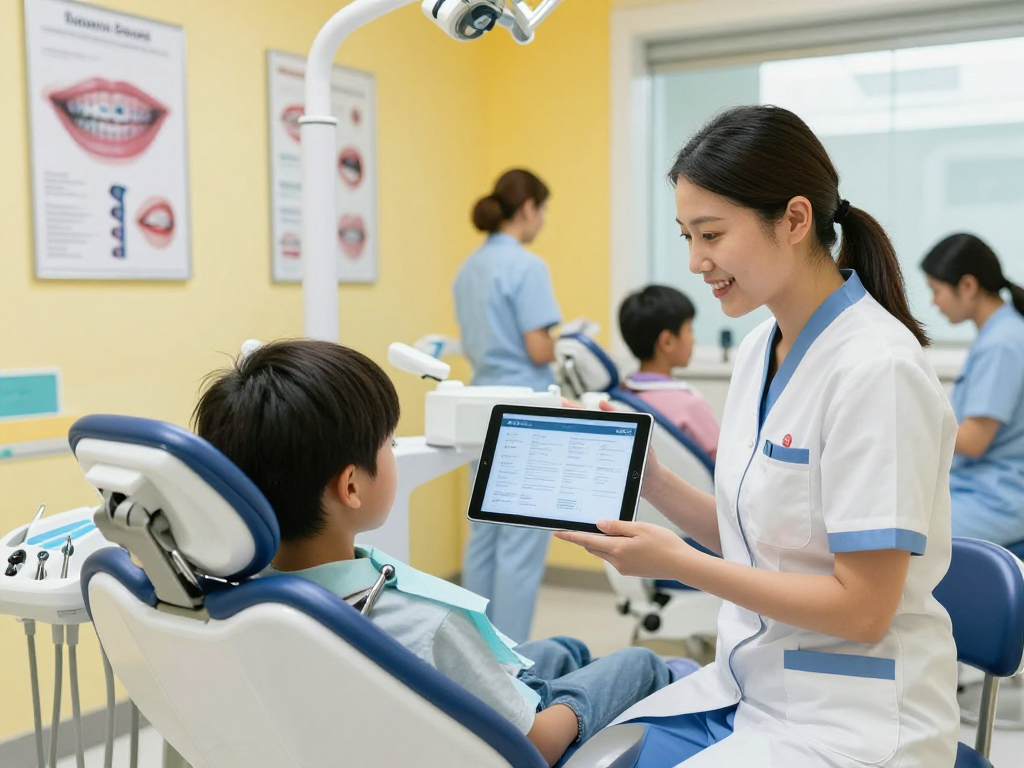
In the realm of Kieferorthopädie, robust patient care is vital. Building trust and understanding patients' individual needs creates a foundation for effective treatment. This involves not just clinical expertise, but also an empathetic approach to patient communication, ensuring that patients are well-informed about their treatment options, progress, and any associated risks.
Current Trends in Kieferorthopädie for 2026
As we look toward 2026, several trends are shaping the future of Kieferorthopädie. Technological advancements such as 3D printing, AI-driven diagnostics, and telemedicine are becoming more prevalent, enabling orthodontists to provide more personalized care. There is also a growing emphasis on minimally invasive procedures, which reduce patient discomfort and recovery times, making orthodontic treatments more appealing to a broader audience.
Legal Framework and Data Protection in Kieferorthopädie
In the digital age, the legal framework surrounding Kieferorthopädie practices has evolved to emphasize the importance of data protection. The General Data Protection Regulation (GDPR) mandates strict guidelines to ensure patient data security and privacy. Understanding these regulations is essential for orthodontic practices aiming to maintain compliance and build patient trust.
Essential GDPR Requirements for Dental Practices
Under GDPR, dental practices must adhere to specific requirements regarding the handling of personal data. This includes obtaining explicit consent from patients before collecting any sensitive information and ensuring the data is processed lawfully, transparently, and for a specific purpose. Practices must appoint a data protection officer if they handle large volumes of sensitive data, ensuring compliance through routine audits and risk assessments.
Handling Sensitive Patient Data in Kieferorthopädie
Orthodontists frequently handle sensitive health data, which requires a comprehensive understanding of data protection laws. Practices must implement stringent access controls to ensure that only authorized personnel can access patient information. Regular training on data protection policies for all staff members is essential to mitigate risks and promote a culture of compliance.
Best Practices for Record Keeping and Compliance
Effective record-keeping is imperative in Kieferorthopädie. Orthodontic practices should maintain detailed and accurate records of patient treatments and communications, ensuring that documentation is easily accessible while remaining secure. Regular audits of data processing activities can help identify potential vulnerabilities and areas for improvement, thus supporting compliance with GDPR and enhancing overall patient care.
Enhancing Accessibility in Dental Practices
Accessibility in healthcare is non-negotiable, and orthodontic practices must accommodate patients of all abilities. This includes both digital accessibility—ensuring that websites and online services comply with the Web Content Accessibility Guidelines (WCAG) 2.1—and physical accessibility within the practice.
Strategies for Digital Accessibility According to WCAG 2.1
Practices should focus on meeting at least Level AA compliance of WCAG 2.1, which includes providing text alternatives for non-text content, ensuring sufficient contrast between text and background colors, and making all functionality available from a keyboard. This enhances the online experience for patients with disabilities, allowing them to access important information and services seamlessly.
Physical Accessibility Features for Kieferorthopädie Clinics
Beyond digital measures, physical spaces must also be accessible. Features such as ramps, accessible parking spaces, and adaptive waiting areas can significantly improve the patient experience. Training staff to assist patients with disabilities can foster a welcoming environment where all patients feel valued.
Improving Patient Experiences through Inclusion
By prioritizing accessibility, Kieferorthopädie practices can enhance patient experiences. Ensuring that all patients have equal access to services not only meets legal requirements but also builds patient loyalty and satisfaction. When patients feel included and cared for, they are more likely to return and recommend the practice to others.
Implementing Effective Communication Strategies
Effective communication is key to a successful orthodontic practice. Providing clear information about treatment options, procedures, and expected outcomes can significantly impact patient satisfaction and engagement.
Patient Education: Informing about Treatments and Processes
Practices should develop educational materials that explain various treatment options in accessible language. This might include brochures, videos, and interactive online content that educates patients about the orthodontic process and what to expect at each stage of treatment.
Using Digital Tools for Better Patient Engagement
Digital tools such as appointment reminders, treatment tracking apps, and online consultations can enhance patient engagement and streamline communication. These tools not only improve efficiency but also keep patients informed and involved in their treatment journey.
Feedback Mechanisms to Enhance Service Quality
Incorporating patient feedback mechanisms, such as surveys or suggestion boxes, can provide valuable insights into the patient experience. Regularly reviewing and responding to this feedback helps practices adapt and improve their services, ensuring they meet the evolving needs of their patients.
Future-Proofing Kieferorthopädie: Innovations and Beyond
As the Kieferorthopädie field continues to innovate, it's vital for practices to stay ahead of the curve. Embracing new technologies and adapting to changing patient expectations will be crucial for maintaining competitive advantage.
Emerging Technologies in Orthodontic Treatments
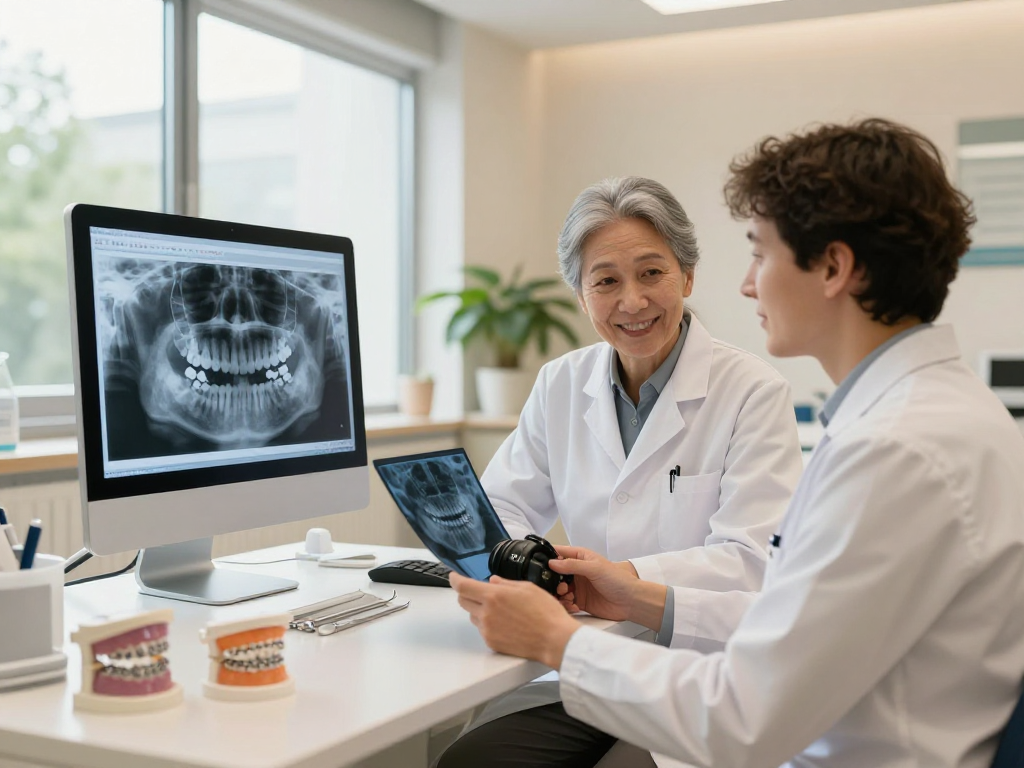
Technological advancements such as 3D imaging, digital treatment planning, and smart braces are transforming how orthodontists diagnose and treat patients. These innovations can lead to more precise and effective treatments while enhancing patient comfort and convenience.
Tele dentistry: Benefits and Considerations
Tele dentistry is gaining traction, allowing orthodontists to consult with patients remotely. This approach offers convenience, especially for those living in remote areas or with mobility challenges. However, practices must ensure that they are equipped to handle patient data securely in a digital environment.
Preparing for Changes in Patient Expectations by 2026
As patient expectations evolve, orthodontic practices must be prepared to adapt. Patients increasingly seek personalized experiences and seamless interactions. Providing flexible treatment options and maintaining open lines of communication will be pivotal in meeting their needs.
What are common misconceptions about Kieferorthopädie?
There are many misconceptions about Kieferorthopädie, including the belief that it is only for children or that treatment is always painful. In reality, orthodontic care can benefit individuals of all ages and modern technologies have significantly improved the comfort of treatment.
How can accessibility be improved in dental practices?
Improving accessibility in dental practices requires a comprehensive approach that encompasses both physical and digital environments. By adhering to legal standards and actively seeking patient input, practices can create a more inclusive experience for everyone.
What legal responsibilities do orthodontists have?
Orthodontists are legally responsible for maintaining patient confidentiality, ensuring informed consent, and adhering to all relevant healthcare regulations, including GDPR. This requires ongoing training and a commitment to ethical practice.
How can technology enhance patient care in Kieferorthopädie?
Technology can enhance patient care by streamlining processes, improving communication, and enabling more precise treatments. From virtual consultations to advanced imaging techniques, leveraging technology can lead to better outcomes and higher patient satisfaction.
What trends should Kieferorthopädie practitioners follow in 2026?
Practitioners should focus on integrating technology into practice, prioritizing patient-centered care, and complying with data protection regulations. Staying informed about emerging trends and patient needs will be essential to remain competitive in the marketplace.